Lithium-Ion Battery Fire Safety: What Bermuda Homes and Businesses Should Know
Lithium-ion batteries have become part of everyday life. They power our phones, laptops, tablets, power tools, portable chargers and many other devices that we use at home and at work.
Most of the time, these batteries are safe and reliable. However, damaged batteries, unsuitable chargers and poor charging habits can increase the risk of overheating and, in some cases, fire.
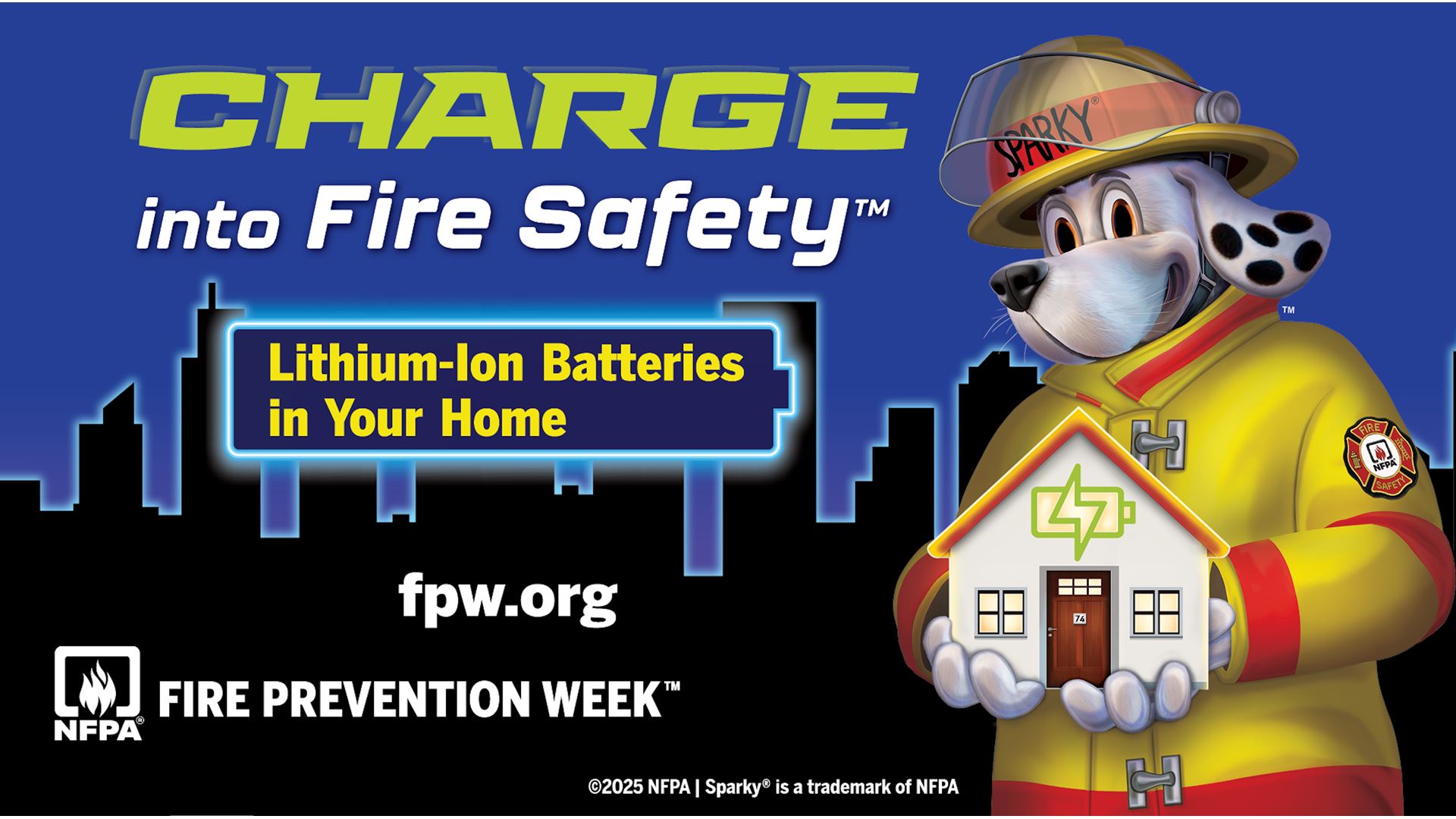
This year’s Fire Prevention Week, running from 4 to 10 October, is focused on safer charging under the theme “Charge into Fire Safety: Safe Charging Is a Superpower.” The campaign highlights a few simple habits that can help reduce the risks associated with lithium-ion batteries.
Use the right charger
One of the simplest precautions is to use the charging cable and power supply supplied with your device, or a replacement that has been approved by the manufacturer.
Using an unsuitable charger can damage the battery and increase the risk of overheating or fire.
If a charger becomes damaged, frayed or unusually hot, it is sensible to stop using it and replace it rather than continuing to charge your device.
Think about where you charge devices
Where you leave a device while it is charging also matters.
Phones, tablets and other rechargeable devices should be placed on a hard, flat surface such as a table, desk or floor.
Beds, sofas, cushions and pillows can trap heat and restrict airflow around the device, increasing the chance of the battery overheating.
Avoid leaving devices charging underneath bedding or other materials and try to keep the area around them clear.
Know the warning signs of a damaged battery
Lithium-ion batteries can sometimes show signs that something is wrong before they fail.
You should stop using a device if the battery:
- Feels unusually warm or hot
- Develops a strange smell
- Starts making popping or unusual noises
- Changes shape or colour
- Appears swollen
- Begins producing smoke
If it is safe to do so, move the device away from anything that could catch fire.
A damaged battery can overheat rapidly, so unusual changes should not be ignored.
Unplug devices when they are fully charged
It is also good practice to unplug a device once it has finished charging.
Leaving a battery connected to a charger for longer than necessary can increase heat and place additional stress on the battery.
For devices that are regularly charged overnight, consider whether they could instead be charged during the day when someone is awake and nearby.
Take extra care with larger batteries
Larger lithium-ion batteries are increasingly common in items such as power tools, e-bikes and scooters.
Because these batteries store more energy, a failure can develop quickly.
Where practical, larger devices should be charged outside or in a suitable location away from escape routes. Chargers and batteries should never block doors or other exits.
Businesses using rechargeable tools or equipment should also consider where charging takes place and whether staff understand the warning signs of a damaged battery.
Fire detection remains an important part of protecting your property
Good charging habits can reduce risk, but reliable fire detection remains an important part of protecting any property.
Smoke and fire alarms provide vital early warning and can give occupants additional time to leave the building if a fire occurs.
Selectron supplies and installs modern wired and wireless fire detection systems for homes across Bermuda, including smoke, heat, carbon monoxide and water detection. Systems can also be integrated with existing or new alarm installations.
For commercial premises, the type of fire detection required will depend on the building, its use and the level of coverage needed. Selectron can provide a range of commercial detection options, including systems designed for larger spaces where conventional point detection may not be practical.
Find out more about our residential fire alarm systems and commercial fire alarm systems.
Review your fire safety arrangements
Fire safety is not something that should only be considered when an alarm sounds.
Take a few minutes to review how rechargeable devices are being used around your home or workplace. Check chargers, look for damaged batteries and make sure devices are being charged in suitable locations.
It is also worth checking that your existing fire alarms are working correctly and that your property has the right level of detection for its current use.
If you would like advice on fire detection for your home or business in Bermuda, contact the Selectron team on +1 441 236 4181 or visit our fire alarm systems page.

Selectron Ltd
At Selectron our solutions help you meet the increased challenges of today’s security and surveillance, enabling you to improve safety by reducing and preventing security breaches and accidents. Find out more about us >>