
How To Protect Your Bermuda Home While You Are Away
Whether you are leaving Bermuda for a short holiday, travelling for work or spending an extended period overseas, knowing your home is properly protected can give you valuable peace of mind.
An unoccupied property can face a range of risks. These include attempted break-ins, fire, water leaks, storm damage and small maintenance issues that may become much more serious if nobody is there to notice them.
Fortunately, modern home security systems make it easier to keep an eye on your property even when you are thousands of miles away. With the right combination of alarms, cameras, monitoring and automated alerts, you can respond quickly if something unexpected happens.
In this guide, we explain how Bermuda homeowners can prepare their properties before travelling and how smart security technology can help protect an empty home.
Quick Answer
The best way to protect your Bermuda home while you are away is to combine sensible preparation with a professionally designed security system. Intruder alarms, video surveillance, fire detection, leak management and remote alerts can help identify problems quickly and allow the appropriate action to be taken before the situation becomes more serious.
Why Empty Homes Can Be More Vulnerable
Most homes are occasionally left unattended, but a property can become more vulnerable when it is empty for several days or weeks.
Potential intruders may look for signs that nobody is home, such as lights remaining off every evening, post accumulating, curtains staying in the same position or no vehicles appearing outside the property.
There are also risks that have nothing to do with crime. A leaking pipe, faulty appliance, electrical problem or damaged window may go unnoticed for much longer in an empty home.
Bermuda’s climate can make early detection especially important. Humidity and unwanted water can contribute to damp, mould and damage to floors, walls, furniture and personal belongings.
A comprehensive residential security system can help protect against several of these risks rather than focusing on intrusion alone.
Make Sure Your Home Does Not Look Unoccupied
One of the simplest ways to reduce risk is to avoid making it obvious that the property is empty.
Before travelling, consider asking a trusted neighbour, friend or family member to check the property periodically. They may be able to collect post, move bins, open or close curtains and report anything unusual.
Automated lighting can also make a home appear occupied. Rather than leaving the same lamp switched on continuously, scheduled lighting can create a more natural pattern throughout the evening.
Home automation can be connected with other security features, allowing lighting and selected devices to be controlled remotely. This provides both convenience and an additional layer of reassurance while you are away.
Check Your Intruder Alarm Before Travelling
An intruder alarm is an important part of home protection, but it must be working correctly when you leave.
Before travelling, make sure everyone who needs to use the system understands how to arm and disarm it. Check that door and window sensors are unobstructed and confirm that any trusted keyholder has the information they need.
If your system has not been inspected recently, it may be sensible to arrange maintenance before a longer trip. Batteries, detectors, communication devices and alarm sounders should all function correctly.
Modern intruder alarms can do more than activate a siren. Depending on the system, they can provide alerts when a protected door opens, motion is detected or the alarm is armed or disarmed.
This gives you greater awareness of activity at your home without needing to be physically present.
Use Video Surveillance To Check Your Property Remotely
Video surveillance gives homeowners the ability to see what is happening around their property from almost anywhere.
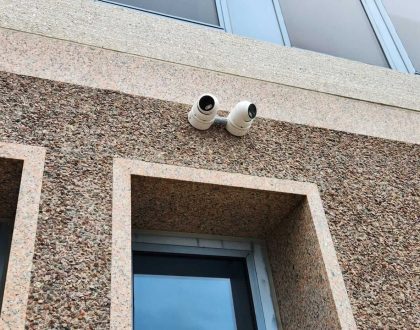
Cameras can be positioned to cover important areas such as entrances, driveways, gates, patios and other access points. When connected to remote viewing technology, live or recorded footage can be accessed through a compatible smartphone, tablet or computer.
This can be useful if you receive an alert and want to understand what caused it. You may be able to establish whether there is a genuine security concern, a delivery, a visitor or simply movement caused by an animal or weather conditions.
Professional CCTV and video surveillance should be designed around the layout of the property. Camera position, image quality, lighting and coverage all affect how useful the footage will be.
Why Real-Time Security Alerts Matter
Discovering a problem several days after it happened can significantly increase the disruption and cost involved.
Real-time alerts help reduce this delay. Depending on your setup, notifications may be triggered by:
- An intruder alarm activation
- Movement in a protected area
- A door or window opening
- Smoke or heat detection
- Unwanted water being detected
- The security system being armed or disarmed
Receiving an alert does not necessarily mean there is a serious emergency, but it gives you the opportunity to investigate or ask a trusted person to check the property.
Remote services such as Total Connect can allow homeowners to manage compatible security functions, receive system alerts and view video remotely.
Protect Your Home From Fire While You Are Away
A fire alarm is essential whether a home is occupied or empty. However, detection becomes particularly important when nobody is present to smell smoke or notice signs of an electrical fault.
Smoke, heat and carbon monoxide detection can provide an early warning of danger. Depending on the system and monitoring arrangements, an activation may also be communicated beyond the property rather than relying solely on an audible alarm.
Before leaving, avoid unnecessary risks by unplugging non-essential appliances, checking that cooking equipment is switched off and ensuring candles or other sources of flame have been extinguished.
Professionally installed residential fire alarms can be integrated into a wider home protection system.
Do Not Overlook Water Leaks
Water damage can develop quickly and may be particularly destructive when a home is unattended.
A small leak from a pipe, water heater, washing machine, sink or air-conditioning unit may continue for days before anyone notices. By then, water may have affected ceilings, floors, walls, electrical systems and valuable belongings.
A water and leak management system uses sensors in vulnerable areas to detect unwanted water.
Depending on the system, it may sound an alarm, send a remote notification or automatically shut off the water supply. This can help limit damage while giving you time to arrange an inspection and repair.
Common locations for sensors include:
- Near the water heater
- Under sinks and basins
- Close to washing machines
- Near air-conditioning equipment
- In basements or lower parts of the property
- Close to appliances connected to the water supply
Secure Doors, Windows And Outdoor Areas
Technology works best when supported by good physical security.
Before leaving your property, inspect doors, windows, gates and other access points. Make sure locks operate properly and do not leave spare keys in obvious outdoor locations.
Garden tools, ladders and outdoor furniture should be stored securely where possible, as these items may otherwise provide access or be damaged during poor weather.
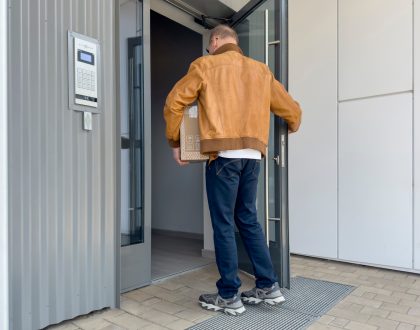
If your home has an automated entrance, inspect the gate before travelling and make sure authorised visitors understand how to use it. Professionally installed gate operators can help control vehicle and pedestrian access to the property.
Choose A Trusted Local Keyholder
Remote technology gives you valuable information, but there may still be occasions when someone needs to visit the property.
A trusted local keyholder may be able to check the home after an alert, allow an engineer to enter, deal with a minor issue or confirm that everything is secure.
Choose someone who will be available while you are away and provide clear instructions about what they should do in different circumstances.
Make sure their contact details are current and confirm that they know how to operate the alarm without accidentally triggering it.
Complete A Final Home Security Checklist
Before leaving Bermuda, work through a final checklist rather than relying on memory.
- Lock all doors, windows and gates
- Arm the intruder alarm
- Confirm cameras and remote access are working
- Check smoke, heat and leak detectors
- Remove unnecessary electrical risks
- Arrange for post and deliveries to be collected
- Set lighting schedules if available
- Share instructions with your trusted keyholder
- Make sure your contact information is up to date
- Keep important security contact details accessible
It is better to test remote apps and alerts while you are still at home rather than discovering a login or connection problem after you have travelled.
Professional Home Security Solutions In Bermuda
Every home has different risks, access points and security requirements. A professionally designed system should reflect the property rather than relying on a standard package.
Selectron provides residential security solutions for homeowners throughout Bermuda, including intruder alarms, fire alarms, video surveillance, automation, gate operators and leak management.
These systems can work together to provide a clearer picture of what is happening at your property, whether you are at home, at work or overseas.
Final Thoughts
Leaving your Bermuda home unattended does not have to mean leaving it unprotected.
Good preparation, reliable physical security and modern connected technology can help deter intruders, detect emergencies and alert you quickly when something requires attention.
The most effective approach is to consider the full range of risks, including burglary, fire and water damage, rather than relying on one security measure alone.
To discuss a professionally designed system for your property, contact Selectron for advice or a quotation.

Selectron Ltd
At Selectron our solutions help you meet the increased challenges of today’s security and surveillance, enabling you to improve safety by reducing and preventing security breaches and accidents. Find out more about us >>